Introduction
The competition between Apple and Samsung continues to shape the smartphone market year after year. For many buyers, choosing between an iPhone and a Galaxy device is not simply about hardware specifications. It is also about software experience, ecosystem integration, camera performance, long-term support, and everyday usability.
The iPhone 18 and Samsung Galaxy S26 represent the latest flagship directions from their respective companies. While official details may vary depending on announcements and regional models, both devices are expected to target users who want premium performance, advanced cameras, and modern AI-powered features.
This comparison explores the most important areas buyers typically consider before upgrading, including design, display quality, performance, cameras, battery life, software, ecosystem benefits, and overall value.
Design and Build Quality
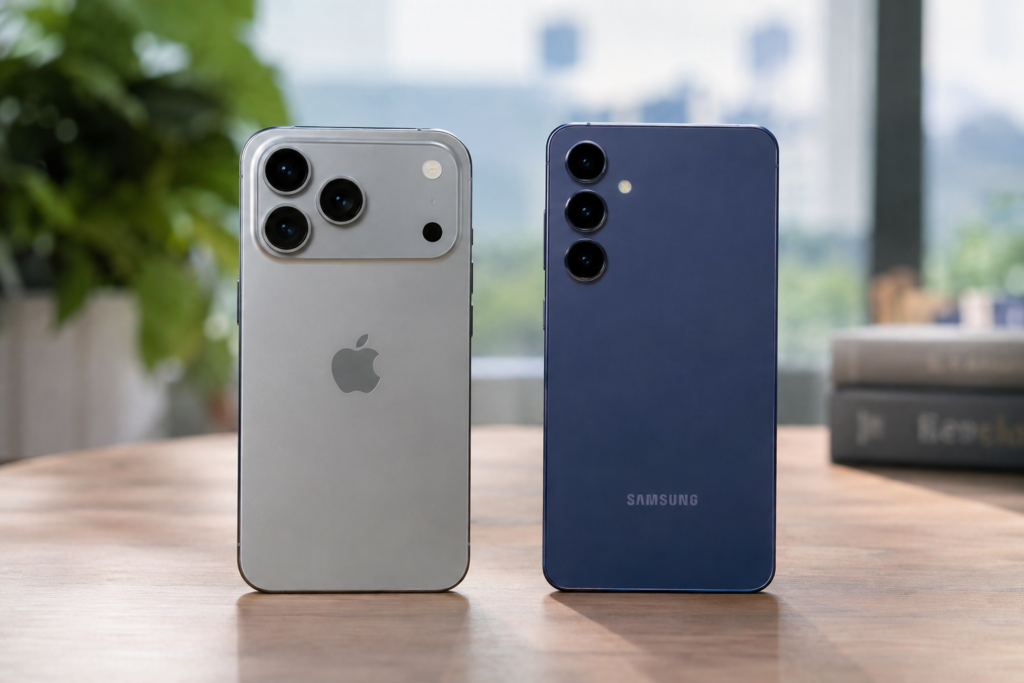
Apple and Samsung have followed different design philosophies for years, and that trend is likely to continue with the iPhone 18 and Galaxy S26.
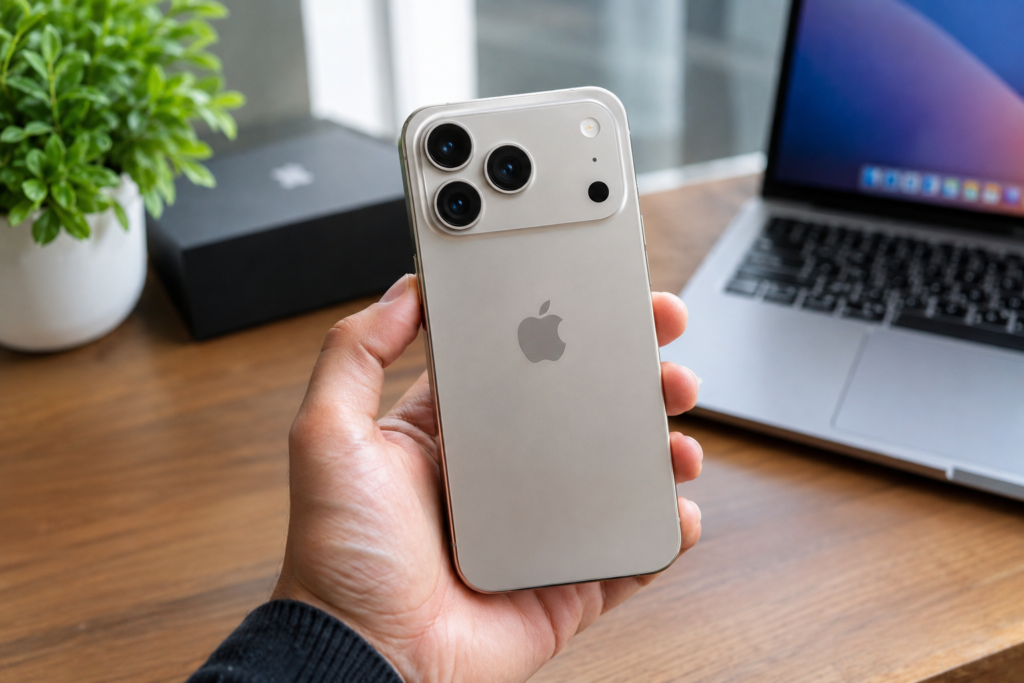
The iPhone 18 is expected to maintain Apple’s clean and minimal approach. Apple usually focuses on precise construction, premium materials, and a consistent design language across its product lineup. Users who prefer a simple and polished appearance often appreciate Apple’s attention to detail.
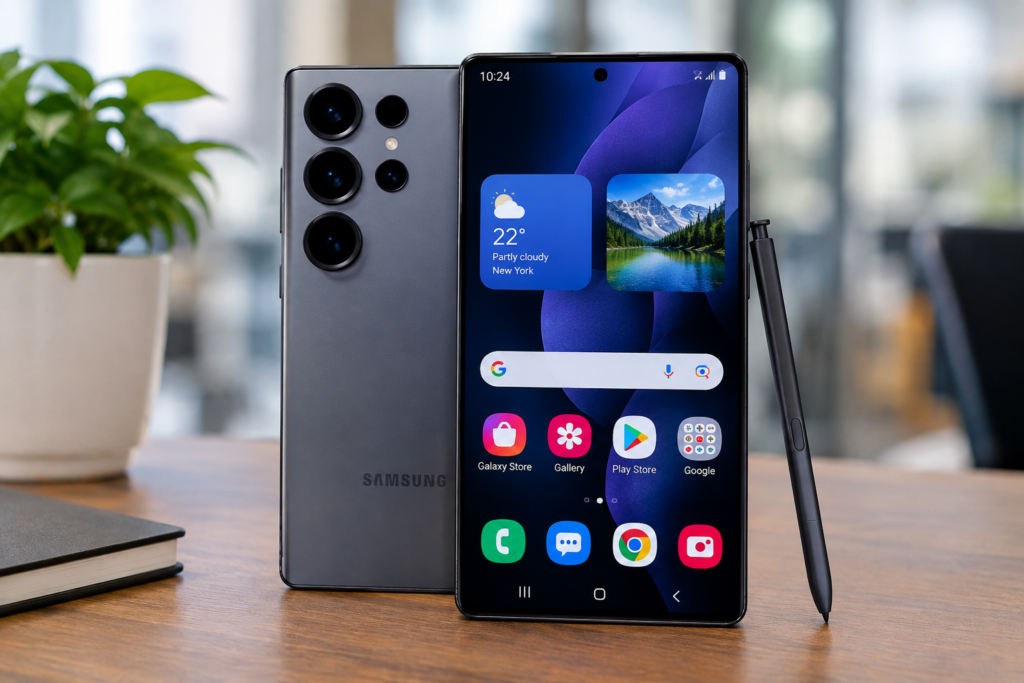
Samsung, on the other hand, tends to combine premium materials with a more feature-focused design strategy. The Galaxy S26 is expected to continue Samsung’s modern look with slim bezels, a refined camera layout, and lightweight construction.
In everyday use, both devices should feel premium. The choice may come down to personal preference. Some users prefer Apple’s flat and symmetrical design style, while others enjoy Samsung’s more customizable and feature-rich approach.
Display Quality
The display is one of the most important parts of any smartphone because it affects everything from social media browsing to gaming and video streaming.
Samsung has long been recognized for producing some of the industry’s best smartphone displays. The Galaxy S26 is expected to offer a bright, vibrant AMOLED panel with excellent contrast, deep blacks, and smooth refresh rates.
Apple has also significantly improved its displays over recent generations. The iPhone 18 is expected to deliver excellent color accuracy, strong brightness levels, and a smooth viewing experience.
Color Accuracy vs Vibrancy
A common difference between the two brands is display tuning.
Apple traditionally focuses on natural and accurate colors. Photos and videos often appear realistic and balanced.
Samsung typically offers more vibrant colors that make content appear richer and more eye-catching. Many users enjoy this look, especially when watching videos or playing games.
Neither approach is objectively better. It depends on whether you prefer realistic color reproduction or a more vivid visual experience.
Performance and Processing Power
Performance remains a major reason people upgrade their smartphones.
Apple’s custom processors have consistently delivered excellent speed and efficiency. The iPhone 18 is expected to continue that trend with strong single-core performance, fast app launches, and smooth multitasking.
Samsung’s Galaxy S26 may use different processors depending on the region. Regardless of the chipset, Samsung’s flagship devices typically provide powerful performance suitable for gaming, content creation, and demanding applications.
Real-World Usage
For everyday users, the difference between the iPhone 18 and Galaxy S26 may be difficult to notice.
Tasks such as:
- Web browsing
- Social media
- Video streaming
- Photography
- Messaging
- Productivity apps
should run smoothly on both devices.
Power users who frequently edit videos, play demanding games, or use professional applications may notice differences in optimization and processing behavior, but both phones are expected to perform at a flagship level.
Camera Comparison
For many buyers, the camera system is the deciding factor.
Apple and Samsung take different approaches to smartphone photography, which often results in distinct image styles.
iPhone 18 Camera Experience
Apple traditionally focuses on consistency and natural image processing.
Photos often feature:
- Balanced colors
- Natural skin tones
- Reliable exposure
- Consistent results across different lenses
Video recording is another area where iPhones have historically performed very well. Many content creators prefer iPhones because of their stable video quality and straightforward camera experience.
Samsung Galaxy S26 Camera Experience
Samsung typically aims to provide flexibility and feature variety.
Galaxy flagship cameras often emphasize:
- Strong detail levels
- Vibrant colors
- Powerful zoom capabilities
- Extensive camera modes
Samsung frequently introduces advanced photography features that appeal to users who enjoy experimenting with different shooting styles.
Which Camera Is Better?
The answer depends on how you use your phone.
If you prefer natural-looking photos and straightforward operation, the iPhone 18 may be more appealing.
If you enjoy zoom photography, extra shooting modes, and customizable camera settings, the Galaxy S26 may offer more flexibility.
Both devices are expected to deliver flagship-level image quality suitable for social media, travel photography, and professional-looking content creation.
Battery Life and Charging
Battery performance depends on several factors, including processor efficiency, display technology, software optimization, and individual usage habits.
Apple and Samsung have both made significant improvements in battery efficiency over recent years.
The iPhone 18 is expected to continue Apple’s strategy of combining hardware and software optimization to maximize battery life.
The Galaxy S26 is expected to focus on balancing performance and endurance while offering modern charging capabilities.
Charging Speeds
Samsung has traditionally provided faster charging options than Apple in many product generations.
Apple typically prioritizes battery longevity and efficiency rather than pursuing the highest charging speeds available in the industry.
For users who frequently need quick top-ups throughout the day, charging performance may be an important consideration.
Software Experience
Software is often where the biggest differences appear.
iPhone 18 and iOS
Apple’s iOS platform is known for its simplicity, consistency, and smooth integration across Apple devices.
Advantages often include:
- Easy navigation
- Consistent user experience
- Strong app optimization
- Long-term software support
Many users appreciate how seamlessly iPhones work with other Apple products such as iPads, Macs, Apple Watches, and AirPods.
Galaxy S26 and Android
Samsung’s version of Android offers greater flexibility and customization.
Users can often:
- Customize the home screen extensively
- Change default applications
- Access advanced settings
- Personalize the user interface
Samsung has also improved its software support policies significantly in recent years, making Galaxy devices more attractive for long-term ownership.
Ecosystem and Device Integration
The smartphone itself is only one part of the overall experience.
Apple’s Ecosystem
Apple has built one of the strongest technology ecosystems available.
Features such as:
- Seamless file sharing
- Device synchronization
- Unified messaging
- Cross-device productivity
can make an iPhone particularly attractive for users who already own Apple products.
Samsung’s Ecosystem
Samsung has expanded its own ecosystem through products such as tablets, smartwatches, earbuds, laptops, and smart home devices.
The Galaxy S26 is expected to work closely with Samsung’s broader product lineup while maintaining compatibility with a wide range of Android services and third-party devices.
For users who value flexibility and cross-platform compatibility, Samsung’s ecosystem can be appealing.
Artificial Intelligence Features
Artificial intelligence has become a major focus in modern smartphones.
Apple and Samsung are both investing heavily in AI-powered tools that improve productivity, communication, photography, and device management.
Expected areas of development include:
- Photo editing assistance
- Writing tools
- Voice-based interactions
- Translation features
- Search enhancements
- Productivity automation
Because AI features often evolve through software updates, the experience may continue improving after the devices are released.
Users should pay attention to officially announced capabilities rather than relying solely on rumors or leaks.
Storage and Long-Term Value
Storage needs vary depending on how people use their phones.
Users who frequently record videos, download large games, or store extensive photo libraries may benefit from higher storage options.
When evaluating long-term value, consider more than just the purchase price.
Factors include:
- Software support duration
- Repair options
- Resale value
- Ecosystem benefits
- Battery longevity
Historically, both Apple and Samsung flagship devices have maintained strong resale value compared to many competitors.
Who Should Buy the iPhone 18?
The iPhone 18 may be a good fit for users who:
- Already use Apple products
- Prefer a simple and consistent software experience
- Want strong video recording performance
- Value long-term software support
- Prefer natural image processing
It is likely to appeal to users who prioritize reliability and seamless ecosystem integration.
Who Should Buy the Samsung Galaxy S26?
The Galaxy S26 may be a better choice for users who:
- Prefer Android flexibility
- Enjoy customization options
- Want advanced camera features
- Like vibrant displays
- Use a wide range of third-party services and devices
It may be particularly attractive for users who enjoy experimenting with features and personalizing their smartphone experience.
Conclusion
The iPhone 18 vs Samsung Galaxy S26 comparison is less about which phone is universally better and more about which one matches your needs.
The iPhone 18 is expected to focus on simplicity, ecosystem integration, optimized performance, and a polished user experience. The Galaxy S26 is expected to emphasize customization, feature variety, display excellence, and flexibility.
Both devices are likely to rank among the most capable smartphones available. The best choice depends on your preferred operating system, existing devices, photography style, and daily usage habits. Before making a purchase, it is worth reviewing the latest official specifications and hands-on impressions as they become available. For readers following flagship smartphone developments, MobileVerseTopic will continue covering major updates and comparisons as new information emerges.