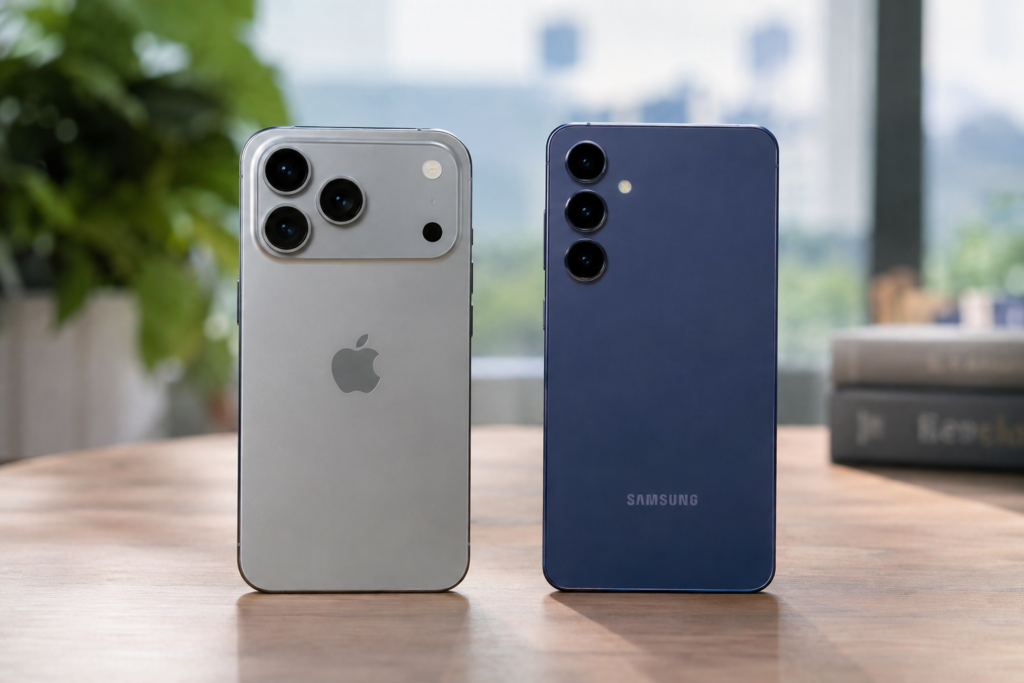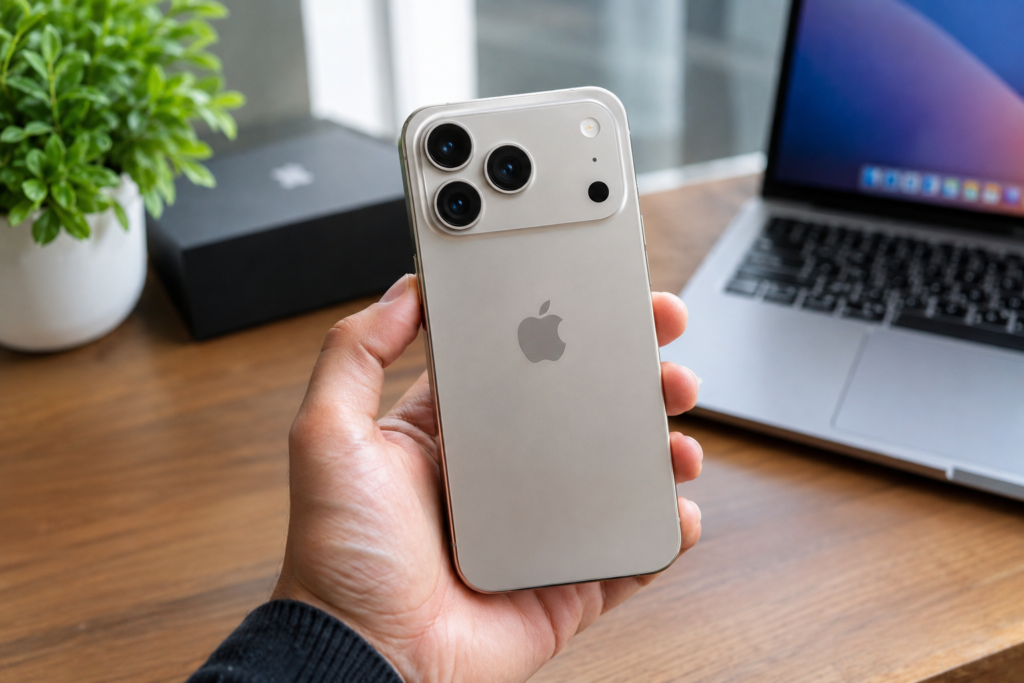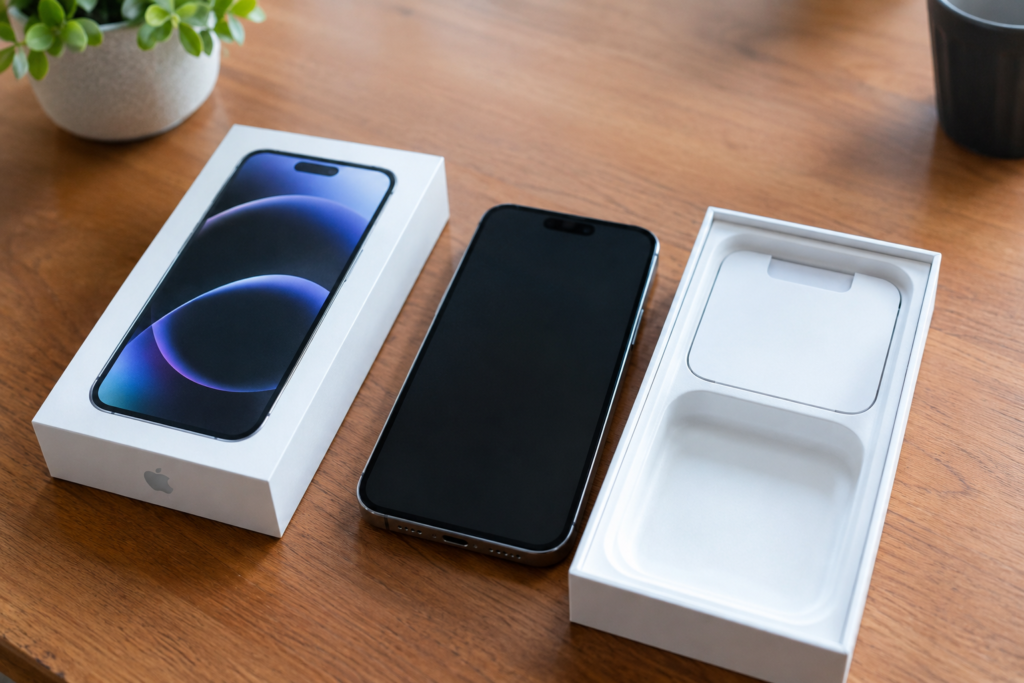
Buying a new smartphone used to mean opening the box and finding almost everything needed to start using it: the phone, charging adapter, cable, documentation, and sometimes a few extra accessories. Today, that experience has changed. Some phones come with a USB cable but no wall charger, while others may include fewer accessories than older models.
This change has created a common question: why do some phones no longer include a charger?
The decision is connected to several factors, including reducing electronic waste, cutting packaging size, lowering shipping requirements, and encouraging customers to use chargers they already own. There are also practical differences between modern charging standards that make the situation less straightforward than it first appears.
Why Smartphone Makers Removed the Charger
The main reason given by manufacturers is that many customers already own compatible charging adapters.
If someone upgrades from one smartphone to another, their previous charger may still work with the new phone. A separate adapter inside every new box can therefore become an extra accessory that sits unused in a drawer.
Manufacturers have argued that removing the charger can reduce the number of unnecessary accessories being produced and transported. Smaller boxes can also require less packaging material and take up less space during transportation.
The exact reasoning differs between companies and individual phone models, but the basic idea is similar: if a customer already has a suitable charger, there may be less need to provide another one with every phone.
Smaller Boxes Are Part of the Change
One of the most noticeable effects is the smaller smartphone box.
Without a large charging adapter, manufacturers can design thinner packaging around the phone and cable. A smaller package can be easier to store and transport, although the environmental effect depends on the complete manufacturing and supply chain.
This is why removing the charger is usually presented as more than simply a cost-cutting decision. It is part of a broader move toward reducing the amount of material and hardware included with smartphones.
However, the environmental argument is not as simple as saying that removing a charger automatically makes every phone more environmentally friendly. The overall impact depends on factors such as how long existing chargers remain in use, how replacement chargers are produced, and whether customers need to buy a new adapter anyway.
Do You Really Need to Buy a New Charger?
Not necessarily.
If you already have a compatible charger, you may be able to use it with your new smartphone. The important part is checking the charging connection and the charger’s supported power and standards.
For example, a phone may support USB-C charging, but that does not mean every USB-C charger will provide the same charging performance. USB-C describes the connector, while charging capability depends on the charger, cable, and supported charging technologies.
If your existing charger works safely with the phone and provides the charging performance you need, there may be no reason to replace it.
Check the Charger Before Buying Another One
Before purchasing a new adapter, look at the specifications of both your smartphone and existing charger.
You should consider:
- The connector type
- Supported charging standards
- The charger’s power output
- Cable compatibility
- Whether fast charging is supported
A basic charger can still charge a modern smartphone, but it may not provide the fastest charging speed the phone supports.
Why Fast Charging Makes Things More Complicated
Fast charging is another reason the missing charger can matter.
Modern smartphones can support charging systems designed to deliver more power than older adapters. However, the phone, charger, and cable generally need to support the appropriate technology for the expected charging performance.
Imagine buying a phone that supports fast charging while continuing to use an older adapter. The phone may still charge normally, but charging could take longer than it would with a compatible fast charger.
This does not mean everyone needs to buy the newest charger. It simply means that customers who want the fastest supported charging experience should check compatibility before deciding whether their existing adapter is enough.
What About the Charging Cable?
A phone that does not include a charger may still include a cable, depending on the manufacturer and model.
This creates another issue because customers may already have several cables at home. In some cases, the included cable may also be designed for particular charging or data capabilities.
It is worth checking exactly what is included in the box before buying a phone. Product listings and official specifications normally explain whether an adapter, cable, or other accessories are included.
That can prevent an unpleasant surprise after the phone arrives.
Is Removing the Charger Actually Better for Customers?
There are arguments on both sides.
For someone who already owns a suitable charger, receiving another adapter may provide little benefit. A smaller box can also be easier to store, and customers have more freedom to choose the charging accessory they prefer.
For someone buying their first smartphone, replacing an old charger, or switching to a different charging standard, the change can be less convenient. They may need to purchase an adapter separately.
The result therefore depends heavily on the customer.
A person with several modern chargers may barely notice the difference. Someone with only an old adapter may need to spend extra money before getting the charging experience they expect.
Why Companies Still Sell Chargers Separately
Even when a charger is not included in the smartphone box, manufacturers and third-party accessory companies can continue selling charging adapters separately.
This gives customers the option to choose the adapter that matches their needs. Some users may want a compact charger for travel, while others may prefer one adapter capable of charging multiple devices.
Separate chargers can also make sense for households with several phones, tablets, watches, earbuds, or other USB-powered devices.
Instead of getting an identical charger with every device, a household can purchase only the adapters it actually needs.
What Should You Look for When Buying a Charger?
If your new phone does not include an adapter, avoid choosing one based only on the highest power number advertised on the box.
Start by checking what the smartphone actually supports. A charger with a much higher maximum output is not automatically going to make the phone charge faster if the phone does not support that level.
Quality and compatibility also matter.
Choose a reputable charger from a reliable manufacturer and make sure it supports the appropriate charging standards for your phone. Extremely cheap, unknown accessories can be a poor choice when dealing with electrical power and expensive electronics.
The same principle applies to charging cables. A cable that physically fits the phone is not necessarily the best option for every charging setup.
Will Chargers Disappear From Smartphone Boxes Completely?
It is difficult to say that every manufacturer will follow exactly the same approach.
Some phones are sold without adapters, while other models and markets may still include them. Packaging decisions can vary by company, product category, region, and sales strategy.
The broader trend, however, has made the separate purchase of charging accessories more common.
For buyers, this means checking the contents of the box has become an important part of choosing a new phone. Assuming that every smartphone includes a wall charger can lead to an unexpected extra purchase.
What This Means When Buying a New Phone
Before ordering a smartphone, check three simple things: what comes inside the box, what charging standard the phone supports, and whether your existing charger is compatible.
If your current adapter works properly, you may not need to buy anything else.
If it does not, include the cost of a suitable charger when comparing phones. A smartphone that appears to be cheaper can require additional accessories, while another model may include more of what you need in the box.
This is a small detail, but it can make the buying experience much smoother.
The Charger Is No Longer Something You Should Assume Is Included
The days when every smartphone box automatically contained a wall charger are changing. Manufacturers have increasingly moved toward selling some phones without charging adapters, partly because many customers already have compatible chargers and partly because companies are reducing packaging and included accessories.
For customers, the change is neither complicated nor difficult to manage once they know what to check.
You do not necessarily need to buy a new charger just because your phone does not come with one. First, check whether your existing adapter and cable are compatible and whether they provide the charging performance you need.
If you do need a replacement, choose one based on compatibility, quality, and the phone’s supported charging technology rather than simply buying the most powerful option available.
As smartphone packaging continues to change, checking exactly what comes in the box will remain one of the simplest ways to avoid surprises when buying a new device. MobileVerseTopic readers can use the same approach for any phone: understand the charging requirements first, then decide whether an additional charger is actually necessary.