Introduction
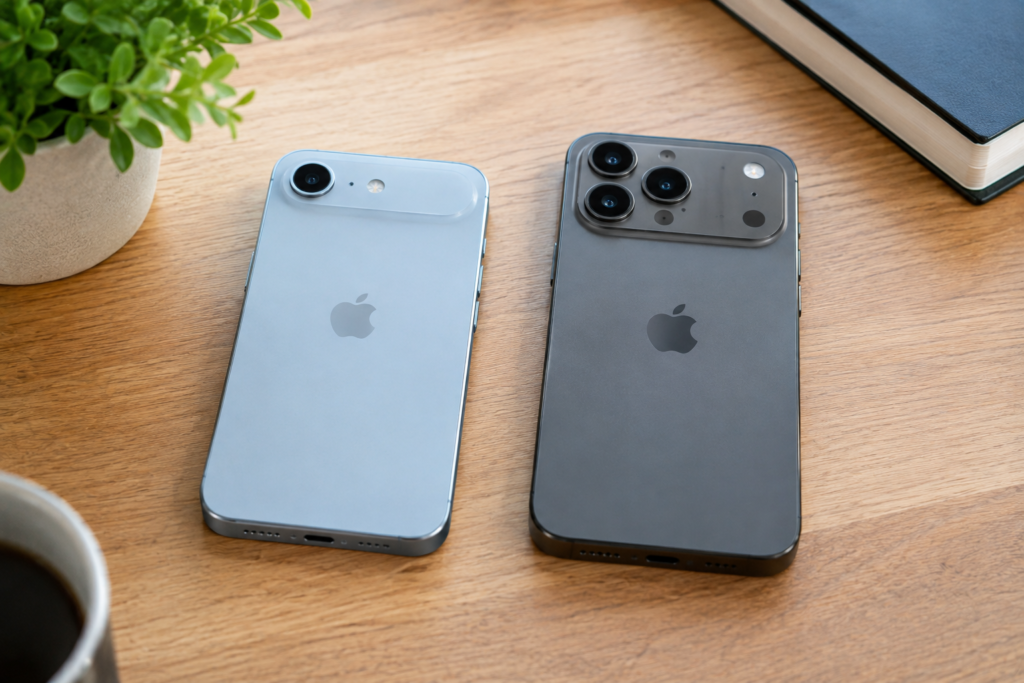
Apple’s smartphone lineup continues to evolve, and one of the most interesting comparisons is the iPhone 18 Air vs iPhone 18. While both devices belong to the same generation, they are expected to appeal to different types of users.
The standard iPhone has traditionally been the balanced option, offering a mix of performance, cameras, battery life, and everyday practicality. The newer Air branding, however, suggests a different approach. Based on Apple’s history with products like the MacBook Air and iPad Air, the iPhone 18 Air appears to focus on a thinner, lighter design while still delivering a premium experience.
Understanding the Purpose of Each Phone
Before looking at specific features, it helps to understand what these devices are likely trying to achieve.
The iPhone 18 is expected to continue Apple’s formula of delivering a reliable flagship smartphone for a broad audience. It is the model many users buy because it offers a balanced experience without focusing too heavily on one particular feature.
The iPhone 18 Air appears aimed at users who prioritize design, portability, and a premium feel. Rather than competing directly with the standard model in every category, it may offer a different experience built around slimness and reduced weight.
This distinction is important because the choice may come down less to specifications and more to personal priorities.
Design and Build: The Most Obvious Difference
The design is likely to be the biggest separating factor between the two devices.
iPhone 18 Air
The Air name strongly suggests a thinner and lighter body. Apple has used the Air branding for years to identify products that emphasize portability while maintaining strong performance.
A thinner phone can feel significantly different during everyday use. It may slip more easily into a pocket, feel less noticeable during long periods of use, and provide a more refined in-hand experience.
Many users keep their phones with them all day, so even small reductions in thickness and weight can have a noticeable impact.
iPhone 18
The standard iPhone 18 is expected to focus more on balance than extreme thinness.
While it will likely remain a premium device, Apple may allow slightly more internal space for components such as the battery, camera hardware, or cooling systems rather than prioritizing the thinnest possible design.
For users who care more about functionality than having the slimmest phone available, this approach can be appealing.
Display Experience
Display quality is one area where the gap may be smaller than many people expect.
Apple generally maintains strong display standards across its premium smartphones. Both devices are expected to deliver sharp visuals, vibrant colors, and a high-quality viewing experience for everyday activities such as streaming, gaming, web browsing, and social media.
The differences may come from physical design rather than display technology.
A thinner device like the iPhone 18 Air could create a different feel when holding the phone for long periods. The standard iPhone 18, meanwhile, may prioritize durability and battery capacity over achieving the thinnest profile.
Unless Apple introduces exclusive display features to one model, many users may find both phones excellent for media consumption.
Performance and Everyday Speed
Performance is often one of the least noticeable differences between phones in the same generation.
Apple typically ensures that devices within the same family deliver a smooth experience for common tasks such as:
- Browsing the web
- Watching videos
- Social media usage
- Photography
- Messaging
- Gaming
- Productivity apps
If both phones share similar processing technology, real-world performance could feel very similar for most users.
The average user may rarely notice a difference during daily activities. Instead, factors such as battery life, comfort, and camera capabilities are often more important when choosing between models.
Portability: Where the Air Model May Shine
Portability is likely one of the strongest reasons to choose the iPhone 18 Air.
A lighter phone can make a surprising difference over time. Whether you’re commuting, traveling, exercising, or simply carrying your phone throughout the day, weight affects the overall experience.
Some users actively prefer devices that almost disappear in a pocket or bag. For them, reducing bulk matters more than having the largest battery or the most advanced camera system.
This is where the Air concept becomes attractive.
The standard iPhone 18 may still be comfortable to carry, but the Air model is expected to target people who want maximum portability without moving to a smaller display size.
Battery Life Considerations
Battery life is one area where slim designs sometimes require compromises.
A thinner smartphone generally has less internal space available. Manufacturers must carefully decide how to distribute that space among the battery, camera hardware, speakers, cooling systems, and other components.
This does not automatically mean the iPhone 18 Air will have poor battery life. Modern smartphones benefit from efficient processors and software optimization.
However, if Apple prioritizes thinness above all else, some users may wonder whether the Air model can match the endurance of the standard iPhone 18.
Until official battery information is available, this remains an area worth watching rather than assuming.
Camera Differences Could Influence Buying Decisions
For many smartphone buyers, the camera is one of the most important features.
iPhone 18
The standard iPhone model traditionally aims to provide a balanced camera experience that works well in a wide range of situations.
This includes everyday photography, family pictures, travel shots, social media content, and video recording.
iPhone 18 Air
The Air model may need to work within the limitations of a thinner body.
A slimmer design can create engineering challenges when integrating larger camera components. Whether Apple makes camera-related compromises depends on how aggressively it pursues thinness.
Because Apple had not officially confirmed all camera details at the time of writing, buyers should wait for final specifications before making assumptions.
For photography-focused users, camera differences could become one of the most important factors in the decision.
Durability and Everyday Practicality
A thinner device can feel elegant, but durability also matters.
Smartphones face daily exposure to drops, pressure, temperature changes, and constant handling. Apple typically designs premium products with durability in mind, but different design goals can influence structural decisions.
The standard iPhone 18 may benefit from having slightly more room for internal reinforcement and component placement.
The Air model, meanwhile, may place greater emphasis on achieving a sleek appearance.
Neither approach is necessarily better. It depends on whether a user values maximum portability or a more traditional design balance.
Who Should Choose the iPhone 18 Air?
The iPhone 18 Air may appeal most to users who:
- Prioritize a thin and lightweight design
- Carry their phone constantly throughout the day
- Prefer elegance and portability
- Want a premium Apple experience in a slimmer form
- Value comfort during long-term use
For these users, the overall feel of the device may be more important than minor differences in specifications.
Who Should Choose the iPhone 18?
The standard iPhone 18 may be a better fit for users who:
- Want a balanced smartphone experience
- Prefer practicality over extreme thinness
- Prioritize battery life and versatility
- Want a familiar flagship design
- Care about overall value rather than a specific design feature
For many people, the standard model will likely remain the safest choice because it aims to perform well across all major categories.
The Bigger Picture
The comparison between the iPhone 18 Air and iPhone 18 reflects a broader trend in the smartphone industry.
Not every premium phone is trying to achieve the same goal. Some devices focus on photography, others emphasize gaming, and some prioritize productivity.
The Air concept appears focused on portability and design.
Rather than asking which phone is objectively better, a more useful question is which design philosophy matches your daily habits.
A person who values lightweight hardware may strongly prefer the Air model. Another user may see little benefit in a thinner device and choose the standard iPhone instead.
That difference in priorities is exactly why multiple models exist.
Conclusion
The real difference between the iPhone 18 Air and iPhone 18 is likely to be less about raw performance and more about design philosophy.
The iPhone 18 Air appears positioned as a thinner, lighter, and more portability-focused device, while the standard iPhone 18 is expected to continue Apple’s balanced approach to smartphone design.
Because some details remain subject to official confirmation, buyers should pay close attention to Apple’s final announcements regarding battery life, cameras, and hardware features. Those factors may ultimately determine how large the gap is between the two models.
For most users, the choice will come down to a simple question: do you value maximum portability, or do you prefer a more traditional balance of features? The answer will likely point you toward the right iPhone.