Introduction
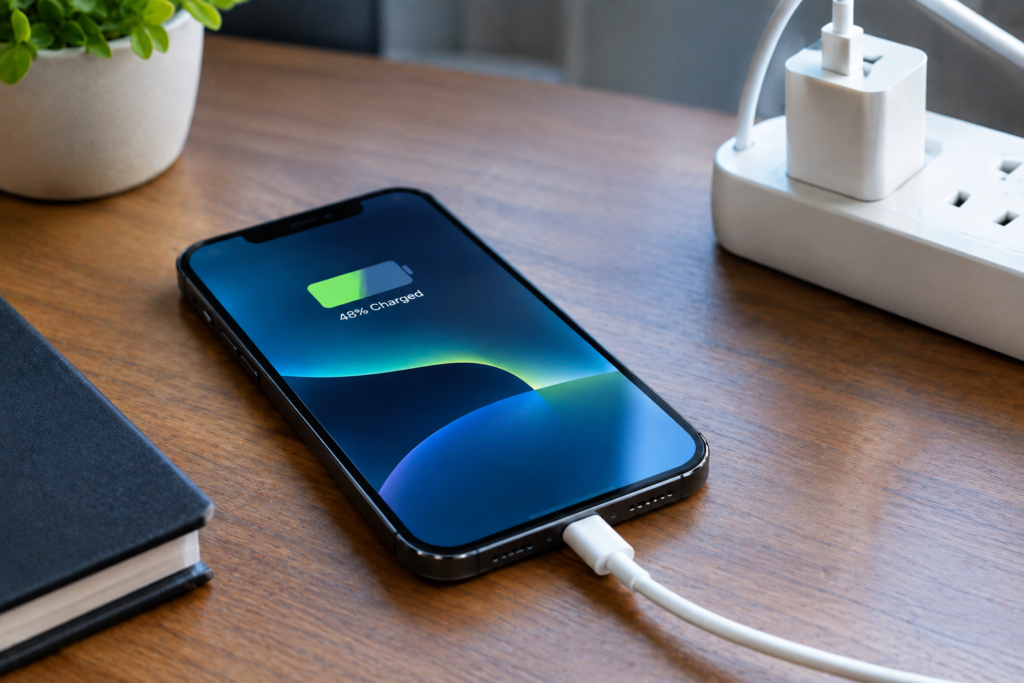
Fast charging has become one of the most advertised smartphone features in recent years. Some phones can add hours of battery life in just a few minutes, while others can reach a high charge level surprisingly quickly. With so much attention on charging speed, many people wonder why some phones still use relatively slow charging.
At first glance, slow charging can seem outdated. If faster technology exists, why would any manufacturer continue using lower charging speeds? The answer is more complicated than it appears. Charging speed is influenced by battery health, device design, cost, safety, heat management, and the overall goals of a smartphone.
Understanding why some phones still use slow charging helps explain the different priorities that manufacturers have when designing their devices. It also shows that faster is not always better for every user or every phone.
What Counts as Slow Charging Today?
The definition of slow charging has changed significantly over time.
A charging speed that was considered fast a few years ago may now seem slow compared to modern standards. Many entry-level and mid-range phones still use charging systems that take noticeably longer than premium devices.
Whether a phone feels slow to charge depends on several factors, including battery size, charger compatibility, and how the manufacturer manages power delivery. A phone with a large battery may take longer to charge even if it supports a respectable charging speed.
Because charging technology continues to evolve, what people consider “slow” often depends on current market expectations rather than a fixed technical standard.
Battery Health Is a Major Concern
One of the biggest reasons some phones continue using slower charging speeds is battery longevity.
Lithium-ion batteries naturally degrade over time. Every charge cycle causes a small amount of wear. Charging a battery very quickly can generate additional heat, which may increase long-term stress on battery components.
Manufacturers that prioritize battery lifespan may choose more conservative charging speeds. The goal is not necessarily to make charging inconvenient but to reduce the amount of stress placed on the battery during daily use.
For many users, a battery that remains healthy for several years can be more valuable than saving a few minutes during charging sessions.
Heat Management Matters More Than Many People Realize
Heat is one of the biggest challenges in smartphone charging.
When electricity enters the battery at a high rate, heat can build up inside the device. Excessive heat can affect performance, battery health, and user comfort.
Premium smartphones that support very fast charging often include advanced cooling systems, specialized charging circuits, and sophisticated software controls. These components help manage temperature while charging at higher speeds.
Not every phone has the internal space or budget for these technologies. As a result, manufacturers may limit charging speeds to keep temperatures under control.
A slower charging system often produces less heat, which can simplify the overall design of the device.
Cost Can Influence Charging Speed
Fast charging technology is not free.
Supporting higher charging speeds usually requires additional hardware. This may include more advanced power management chips, improved battery designs, enhanced cooling solutions, and higher-quality charging components.
For budget smartphones, manufacturers often focus on keeping prices affordable. Every component choice affects the final cost of the device.
In some cases, a company may decide that spending money on a better camera, brighter display, or larger battery offers more value to its target audience than including the fastest charging system available.
This is especially common in entry-level smartphones where affordability remains a top priority.
Larger Batteries Can Change Charging Decisions
Battery capacity plays an important role in charging strategy.
Many modern phones include significantly larger batteries than older devices. A larger battery provides longer battery life but also requires more energy to reach a full charge.
Manufacturers sometimes balance battery size and charging speed carefully. Instead of pushing extremely high charging rates, they may rely on a larger battery that lasts longer between charges.
For users who only charge their phones overnight, charging speed may not be the most important feature. A phone that comfortably lasts all day can reduce the need for frequent top-ups.
Because of this, some companies prioritize endurance over maximum charging speed.
Safety Remains a Top Priority
Safety is another reason some phones continue using slower charging systems.
Modern smartphones contain multiple protection mechanisms that help prevent overheating, power fluctuations, and battery-related issues. However, increasing charging speed also increases engineering complexity.
Manufacturers must ensure that batteries, charging circuits, cables, and chargers work together safely under a wide range of conditions.
Companies that prefer a cautious approach may intentionally limit charging speeds to maintain wider safety margins.
This does not necessarily mean faster charging is unsafe. Rather, it reflects different design philosophies and risk management strategies.
Not Every User Demands Ultra-Fast Charging
Technology enthusiasts often pay close attention to charging speeds, but average smartphone users may care more about other features.
Many people charge their phones overnight while sleeping. In that situation, whether the phone takes one hour or three hours to reach full capacity may have little impact on their daily routine.
Manufacturers study how their customers use devices. If research suggests that battery life, camera quality, durability, or software support matter more than charging speed, resources may be directed toward those areas instead.
A phone designed for everyday users may therefore prioritize reliability and battery endurance over headline-grabbing charging numbers.
Software Optimization Can Reduce the Need for Fast Charging
Better software can sometimes reduce dependence on extremely fast charging.
Modern operating systems include battery optimization features that limit background activity, reduce unnecessary power consumption, and improve efficiency.
When a phone consumes less power throughout the day, users may not need to recharge as frequently. This can make slower charging feel less restrictive.
Some devices also use adaptive charging systems that learn charging habits and adjust charging behavior to protect battery health. These systems may intentionally slow down charging under certain conditions.
Although users may see a slower charging rate, the goal is often to improve long-term battery performance.
Regional and Market Differences
Charging preferences can vary between different regions and markets.
Some smartphone brands compete heavily on charging speed and promote it as a key selling point. Others focus on software support, ecosystem integration, security features, or battery longevity.
As a result, two phones in the same price range may offer very different charging experiences.
Certain markets have shown strong interest in ultra-fast charging technology, while others place greater emphasis on overall reliability and long-term ownership. Manufacturers often tailor products according to these preferences.
This is one reason why charging speeds can vary significantly across brands and product categories.
Charger and Accessory Compatibility
Another factor is compatibility.
Some companies design charging systems that work best with specific chargers and cables. Others aim for broader compatibility with widely used charging standards.
A manufacturer that prioritizes universal compatibility may choose more conservative charging speeds to ensure reliable operation across a wider range of accessories.
Users sometimes assume their phone supports only slow charging when the real issue is an incompatible charger or cable. In other cases, the phone itself is intentionally designed to charge at a moderate rate regardless of the charger being used.
Understanding compatibility requirements can help users get the best charging performance available for their device.
Marketing Priorities Differ Between Brands
Smartphone companies do not all market their products in the same way.
Some brands use charging speed as a major competitive advantage. Others focus on camera performance, premium materials, software experience, gaming capabilities, or long-term updates.
Because marketing priorities vary, charging speed may not always receive maximum attention during product development.
A company that emphasizes battery durability for several years may deliberately avoid chasing the highest charging numbers. Another brand may view ultra-fast charging as a key feature that helps differentiate its products.
Neither approach is automatically right or wrong. They simply reflect different goals.
Is Slow Charging Always a Disadvantage?
Not necessarily.
Fast charging offers clear convenience, especially for people who travel frequently or spend long periods away from power outlets. Being able to quickly recharge a phone can be extremely useful.
However, slower charging can provide benefits in certain situations. Reduced heat, potentially lower battery stress, simpler hardware requirements, and lower device costs are all possible advantages.
The best charging speed depends on how a person uses their smartphone.
Someone who regularly needs quick power boosts may prefer a device with faster charging support. Someone who charges overnight and keeps phones for several years may not notice much benefit from the fastest charging technologies.
Conclusion
The reason some phones still use slow charging is not simply because manufacturers lack faster technology. Charging speed is closely connected to battery health, heat management, safety, device cost, battery size, software design, and user priorities.
While ultra-fast charging continues to improve and become more common, many smartphone makers still see value in a more balanced approach. For some devices, slower charging helps control heat, reduce complexity, lower costs, and support long-term battery performance.
When comparing smartphones, charging speed is worth considering, but it is only one part of the overall experience. A phone that charges more slowly may still offer excellent battery life, reliability, and value, which can matter far more in everyday use.