Introduction
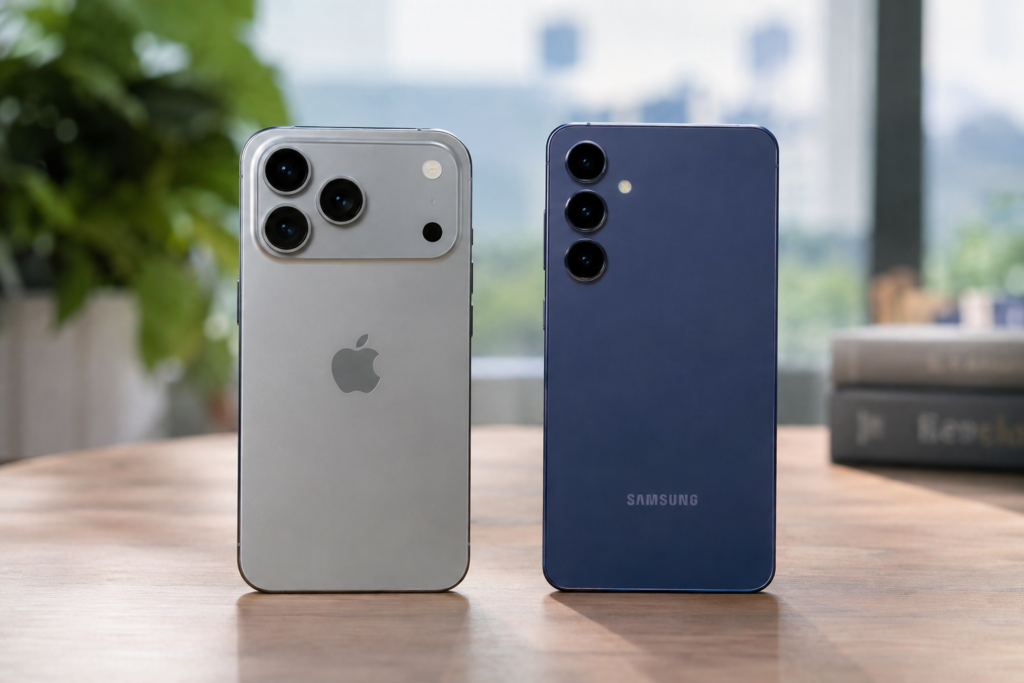
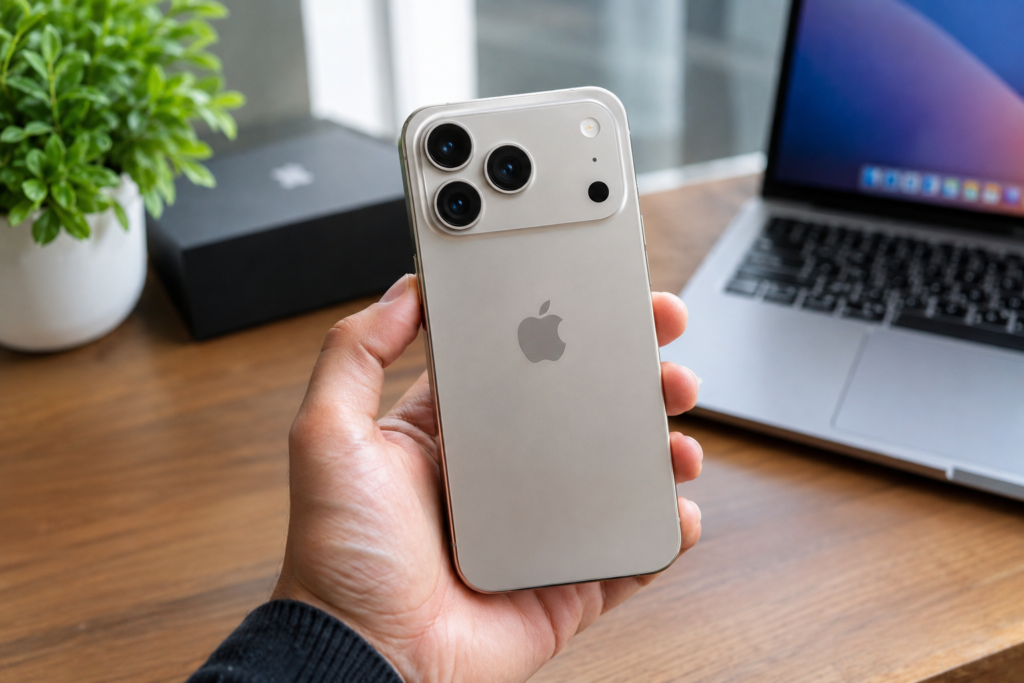
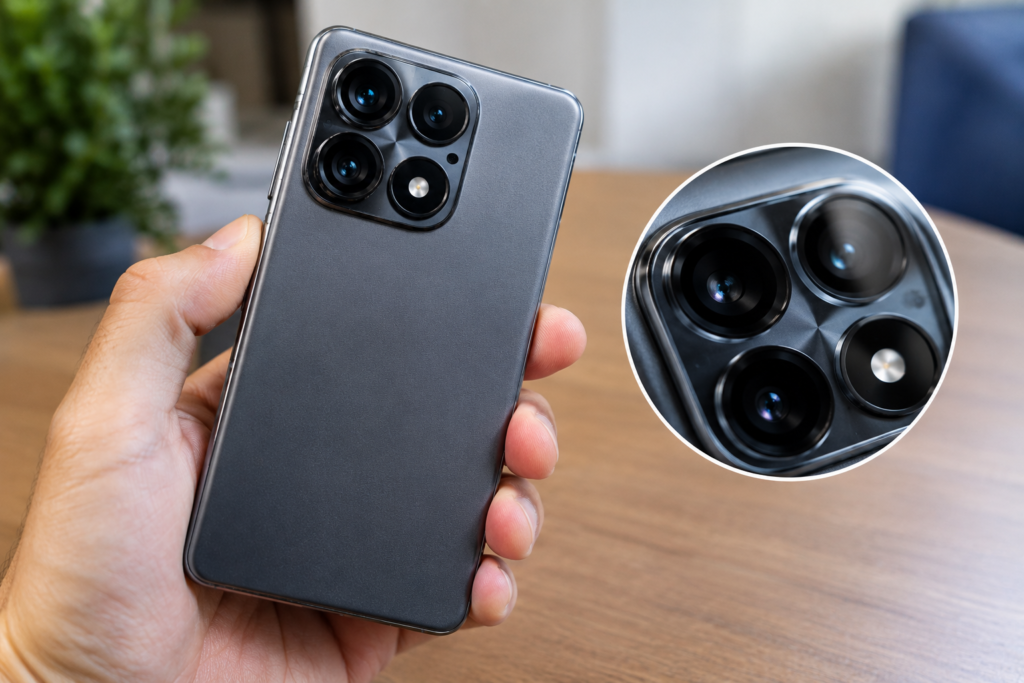
A few years ago, most smartphones had a single rear camera. Today, it is common to see devices with two, three, four, or even more camera lenses on the back. Some flagship smartphones feature large camera modules that occupy a significant portion of the device, leading many people to wonder: why do smartphone cameras have so many lenses?
At first glance, multiple cameras may seem like a marketing strategy designed to make a phone look more advanced. While appearance does play a role in product design, there are genuine technical reasons behind the growth of multi-camera systems.
The short answer is that a single smartphone camera cannot do everything well. Different lenses are designed for different tasks, such as zooming, capturing wide landscapes, taking portraits, or improving image quality. By combining multiple cameras with powerful software, modern smartphones can offer a more versatile photography experience than a single lens could achieve alone.
This article explains why smartphones use multiple lenses, how each type of camera works, and whether having more lenses actually improves photo quality.
The Limitations of a Single Smartphone Camera
To understand why phones need multiple lenses, it helps to understand the limitations of smartphone design.
Unlike professional cameras, smartphones have extremely limited space.
Manufacturers must fit:
- A battery
- Processor
- Speakers
- Antennas
- Display components
- Camera hardware
inside a very thin device.
One Lens Cannot Handle Every Situation
Traditional cameras often use interchangeable lenses.
A photographer can switch between:
- Wide-angle lenses
- Telephoto lenses
- Portrait lenses
- Macro lenses
Smartphones cannot realistically support large interchangeable lenses.
Instead, manufacturers install multiple small cameras, each optimized for a specific purpose.
This approach allows a phone to handle a wider variety of photography situations.
The Main Camera: The Primary Lens
The most important lens on a smartphone is usually the main camera.
This is the camera used for most everyday photography.
What the Main Camera Does
The primary camera is designed to deliver the best overall image quality.
It typically handles:
- Daylight photography
- Indoor photos
- General snapshots
- Video recording
Manufacturers often invest most heavily in this camera because it is used more frequently than any other lens.
When users simply open the camera app and take a picture, the main camera is usually doing the work.
Ultra-Wide Cameras Capture More of the Scene
One of the most common additional lenses is the ultra-wide camera.
This lens provides a much wider field of view than the main camera.
Why Ultra-Wide Lenses Are Useful
Sometimes it is impossible to step backward to fit everything into a photo.
Examples include:
- Large buildings
- Landscapes
- Group photos
- Small indoor spaces
An ultra-wide camera allows users to capture more of the scene without physically moving farther away.
This creates creative possibilities that would be difficult with a standard lens.
The Trade-Offs
Ultra-wide cameras are useful, but they often involve compromises.
Images may show:
- Edge distortion
- Slightly lower detail
- Different color rendering
Even so, the ability to capture a broader perspective makes them one of the most valuable secondary cameras on modern smartphones.
Telephoto Cameras Improve Zoom Photography
Zoom photography presents a major challenge for smartphones.
Many users want to photograph distant subjects without losing image quality.
Digital Zoom Has Limits
Before telephoto cameras became common, phones relied heavily on digital zoom.
Digital zoom essentially crops the image and enlarges it.
This often results in:
- Reduced detail
- Softer images
- Increased noise
A dedicated telephoto lens helps solve this problem.
Optical Zoom Provides Better Results
Telephoto cameras are designed specifically for distant subjects.
They allow the phone to zoom using optics rather than simply enlarging the image digitally.
This generally produces:
- Sharper photos
- Better detail
- Improved clarity
Telephoto lenses are especially useful for:
- Travel photography
- Wildlife photography
- Sports events
- Architectural details
The growing popularity of zoom photography is one reason modern phones often include multiple camera lenses.
Macro Cameras for Close-Up Photography
Some smartphones include dedicated macro cameras.
These cameras focus on subjects that are extremely close to the lens.
Capturing Small Details
Macro photography can reveal details that are difficult to see with the naked eye.
Popular subjects include:
- Flowers
- Insects
- Textures
- Small objects
A macro camera allows users to get much closer than a standard camera typically permits.
Not every smartphone includes a macro lens, but it remains a common feature in some models.
Depth Sensors and Additional Camera Hardware
Not every lens-like component on a smartphone is necessarily a traditional camera.
Some devices include specialized sensors that assist photography in other ways.
Understanding Depth Information
Depth sensors help smartphones estimate distance between objects.
This information can improve:
- Portrait photography
- Background blur effects
- Subject separation
The goal is to create more natural-looking images where the subject stands out from the background.
Although software alone can achieve many of these effects, additional depth information often improves accuracy.
Portrait Photography Benefits From Multiple Cameras
Portrait photography has become one of the most popular smartphone camera features.
Creating realistic background blur requires understanding depth.
How Multiple Cameras Help
When several cameras capture a scene simultaneously, the smartphone can compare perspectives.
This helps identify:
- The subject
- The background
- Object boundaries
As a result, portrait mode can create more convincing blur effects.
Without multiple cameras or advanced computational methods, these effects would be more difficult to achieve.
Different Lenses Solve Different Problems
One reason smartphone cameras have so many lenses is that photography itself involves many different challenges.
A lens optimized for one task may perform poorly in another.
Examples of Specialized Photography Needs
Consider these situations:
- Photographing a mountain range
- Taking a selfie
- Zooming in on a distant building
- Capturing a flower up close
- Recording a concert from far away
No single lens can perform perfectly in all of these scenarios.
Multiple cameras allow manufacturers to optimize each lens for specific situations.
Software Combines Information From Multiple Cameras
Modern smartphone photography is not just about hardware.
Software plays a huge role.
Computational Photography
Many smartphones combine data from multiple cameras to improve image quality.
This process may help:
- Improve sharpness
- Enhance dynamic range
- Reduce noise
- Improve portrait effects
- Increase zoom quality
The final image often uses information gathered from several sensors simultaneously.
In some cases, users may not even realize multiple cameras are contributing to a single photo.
Why Some Phones Have More Cameras Than Others
Not every smartphone follows the same camera strategy.
Some flagship devices include three or four highly capable cameras.
Others focus on fewer lenses with better hardware.
More Lenses Do Not Always Mean Better Photos
This is an important point.
A smartphone with four cameras is not automatically better than a phone with two cameras.
Image quality depends on many factors, including:
- Sensor quality
- Lens quality
- Software processing
- Image algorithms
- Overall camera system design
A well-designed dual-camera phone can outperform a poorly designed device with more lenses.
The quality of the cameras matters more than the quantity.
Marketing Has Also Played a Role
While there are genuine technical reasons for multiple cameras, marketing has influenced smartphone camera design as well.
Camera Count Became a Selling Point
As smartphone photography became more important, camera specifications became a major advertising focus.
Some manufacturers promoted:
- Higher megapixel counts
- More zoom levels
- Additional camera lenses
In certain cases, extra lenses offered limited practical value.
This led to criticism of some smartphone camera systems that appeared impressive on paper but provided little real-world benefit.
Consumers today are generally more informed and increasingly focus on overall camera performance rather than simply counting lenses.
Future Smartphone Cameras May Look Different
Smartphone photography continues to evolve rapidly.
Manufacturers are constantly exploring new ways to improve image quality.
The Role of Software Is Growing
Advances in computational photography have reduced dependence on hardware alone.
Future improvements may focus more heavily on:
- Image processing
- Better sensors
- Improved low-light performance
- Enhanced zoom technologies
Some future smartphones may use fewer cameras but achieve better results through improved software and sensor technology.
Others may continue expanding multi-camera systems to support specialized photography features.
The direction will likely vary between manufacturers.
Are Multiple Lenses Actually Worth Having?
For many users, the answer is yes.
Multiple cameras provide flexibility that a single lens cannot match.
An ultra-wide camera helps capture landscapes.
A telephoto lens improves zoom photography.
Additional sensors can enhance portrait effects and image processing.
These features allow users to adapt to different situations without carrying separate camera equipment.
The real benefit is convenience.
Instead of choosing one fixed perspective, users can switch between different photographic tools directly from their smartphone.
Conclusion
Smartphone cameras have so many lenses because no single camera can handle every photography situation effectively. Different lenses are designed for different tasks, including standard photography, ultra-wide shots, zoom photography, close-up images, and portrait effects. By combining specialized hardware with advanced software processing, modern smartphones deliver a more versatile and capable camera experience.
While camera count alone does not guarantee better image quality, multiple lenses can provide genuine advantages when implemented properly. Understanding the purpose of each lens helps users make better use of their smartphone cameras and appreciate the technology behind modern mobile photography. For readers of MobileVerseTopic, recognizing how multi-camera systems work is an important step toward choosing a smartphone that matches their photography needs.